
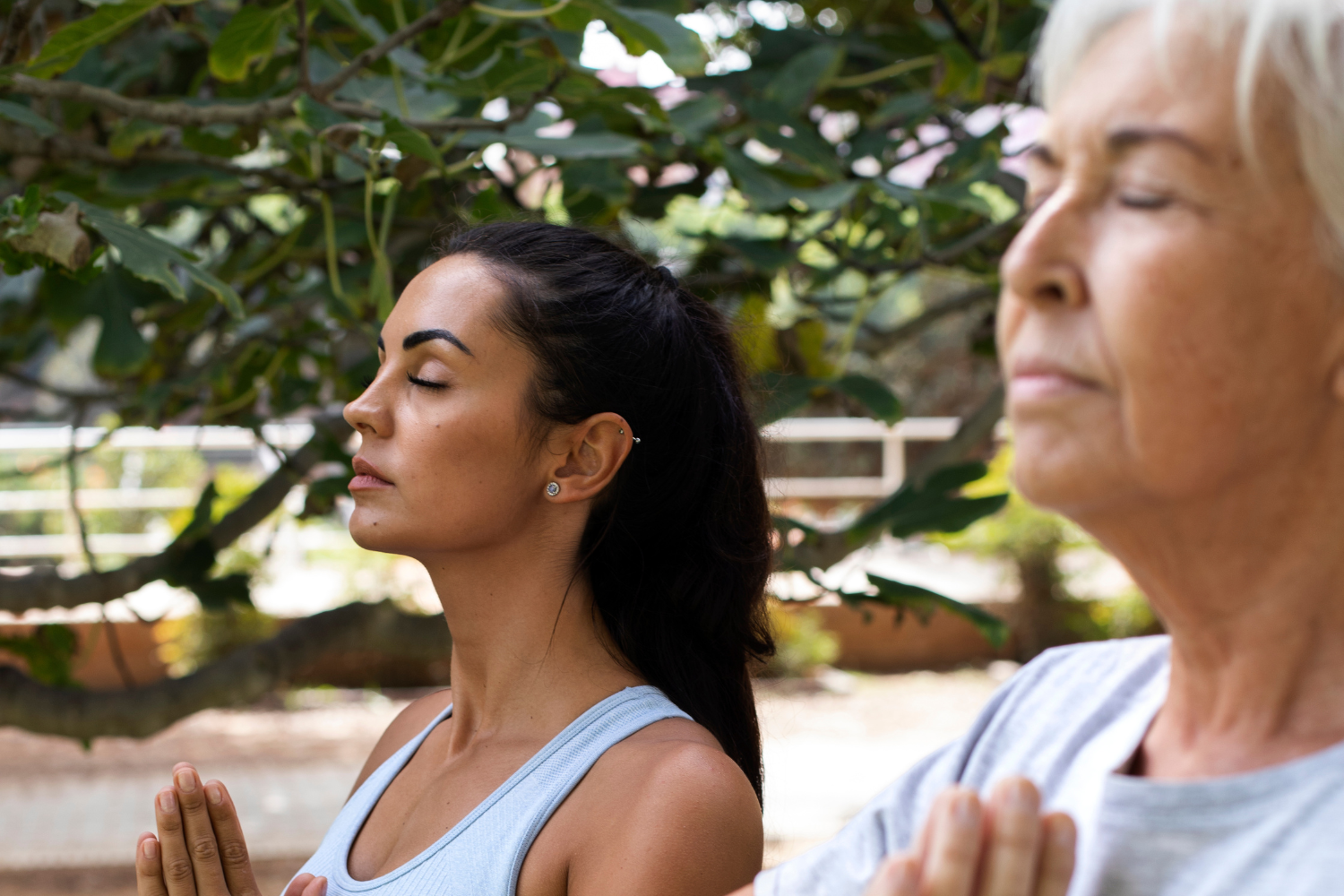
In the landscape of contemporary physical activities, most disciplines are tied to performance and youth. As the years go by, intensity often needs to be reduced to avoid injury or joint wear and tear. The practice of Tai Chi represents a welcome exception to this logic; it is, in fact, an internal martial art designed to be cultivated throughout one’s entire life.
An Art That Grows With the Individual
Unlike high-impact sports, Tai Chi does not deplete the body’s resources. On the contrary, this discipline cultivates and regenerates vital energy!
In youth, Tai Chi practice develops structural strength, coordination, and flexibility. Over time, the discipline becomes more refined and internalized. Attention shifts from the purely muscular aspect to the management of intention and energy.
For this reason, an older practitioner can demonstrate a depth and effectiveness superior to that of a younger person. The practice adapts to the various stages of life without ever losing its value.
Physical and Mental Benefits in Maturity
The benefits of Tai Chi are widely recognized by modern Western medicine. Regular practice can help prevent and manage a range of health concerns.
Among the main benefits are:
- Improved balance: helps reduce the risk of falls in adults and older people.
- Joint protection: circular movements keep the joints mobile without placing excessive strain on them.
- Cardiovascular support: encourages healthy circulation and may help regulate blood pressure.
- Stress reduction: promotes a state of calm alertness and may help lower cortisol levels.
The Philosophy of Effortlessness and Continuity
Taoist philosophy provides the theoretical foundation for the Chinese internal arts. It teaches the principle of Wu Wei, often translated as acting without force.
Tai Chi does not rely on brute strength or direct confrontation. Instead, practitioners learn to yield in order to prevail and to use softness to overcome rigidity. This approach can profoundly change how we relate to our bodies and to the challenges of everyday life.
Continuity is the true secret of this art. Brief daily practice is far more effective than occasional intense sessions. Consistency brings about a quiet but lasting transformation.
Bringing Tai Chi and Qi Gong Together
Practicing Qi Gong alongside the martial art can be especially valuable for supporting long-term well-being. The two disciplines share the same view of health and energy.
Qi Gong focuses on the health of the internal organs and the balance of the body’s energy meridians. Its exercises are simple, profound, and accessible to everyone.
Combining these two arts offers a comprehensive approach to well-being, helping to develop a supple body and a calm, steady mind.
Direct Transmission: The Value of a School
Beginning a lifelong journey calls for experienced guidance. Learning Tai Chi on your own is extremely difficult and can lead to harmful postural mistakes.
A qualified teacher corrects your posture and guides your attention. Practicing with a group also provides ongoing encouragement and support.
A direct relationship with a teacher helps preserve and pass on ancient, authentic knowledge. It makes the difference between a superficial exercise and a genuine internal art.
Practicing Tai Chi / Qi Gong in Naples
For those living in Campania who want to begin a lasting practice, Chu Xin Napoli offers an ideal place to study. The school provides an authentic space for exploration and personal growth through the Chinese arts.
The Tai Chi Naples and Qi Gong Naples courses offered by Chu Xin Napoli are designed to guide each student with care. The school holds weekly classes and Tai Chi seminars to explore both the theory and practice of these disciplines in greater depth.
A Journey of Continual Discovery
Tai Chi is not a destination to reach, but a fascinating lifelong journey. Every stage of life brings new insights and deeper levels of understanding.
If you would like to begin this journey with a solid foundation, contact Chu Xin Napoli to learn about current courses and start your practice.