
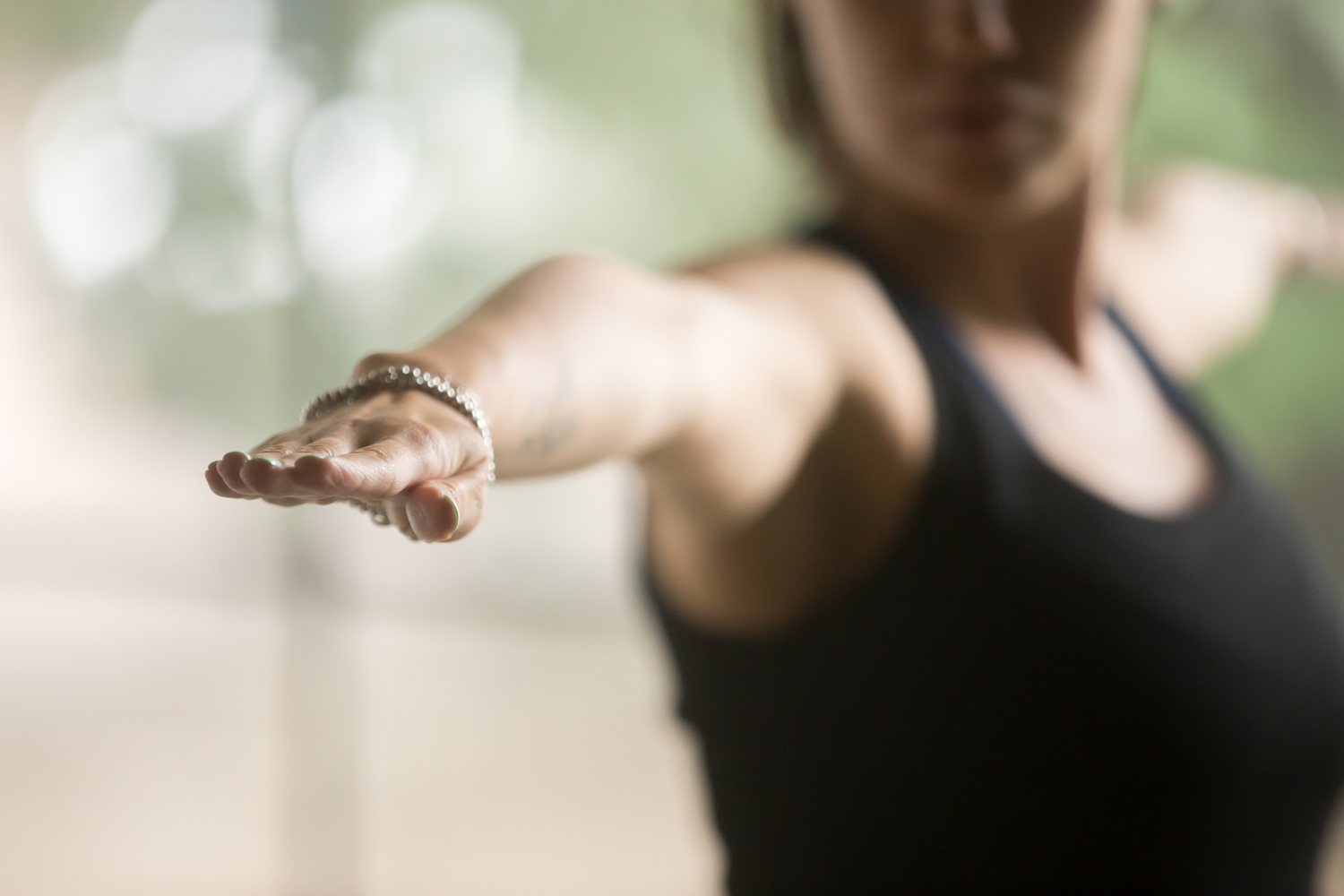
Modern urban life often imposes hectic rhythms and constant sensory stimulation on us. Many people turn to seated meditation to find mental calm, but often run into great difficulty. A stiff body and an overactive mind make it hard to stay still in silence. In this context, meditation in Tai Chi offers a pragmatic and effective way to regain balance.
What Is Moving Meditation?
Meditation is traditionally associated with complete stillness of the body. Chinese internal arts, however, propose a different and complementary approach. In Tai Chi, the mind finds quiet through alert presence in every gesture.
Every movement requires precise, conscious and constant attention. The mind stops wandering among everyday thoughts. Attention focuses entirely on the present moment and on the structure of the body.
In this way, practice becomes a form of dynamic meditation. It is not about emptying the mind through an effort of will. Instead, quiet emerges as a natural consequence of the alignment between body and intention.
The Role of Breathing and Rooting
To understand this discipline, it is essential to observe the interplay between breath and structure. Breathing in Tai Chi is never forced or artificial. It becomes deep, abdominal and naturally synchronised with movement.
A key concept in Tai Chi practice is rooting (Song and Peng). This state allows unnecessary tension to be released into the ground.
The main benefits of this synergy include:
- Release of muscle tension: chronic stiffness built up through stress gradually melts away.
- Improved posture: the spine regains its natural alignment.
- A calmer nervous system: deep breathing activates the parasympathetic system.
- Greater emotional stability: physical rooting translates into a steadier mental centre.
Slowing Down to Understand: The Value of Slowness
Watching someone practise often evokes a sense of deep harmony. The slowness of the movements is not merely an aesthetic quality. It is a fundamental teaching and perceptual tool.
Moving slowly allows us to listen to the subtle signals of the body. In this way we can identify energy blockages and postural stiffness. Slowness also develops a remarkable sense of rooting and presence.
Through this constant attention, one perceives the flow of vital energy, Qi. The mind gradually settles. The stream of thoughts slows down together with the movement of the body.
Tai Chi and Qi Gong: A Fundamental Synergy
Tai Chi is very often studied alongside Qi Gong. Although they have distinct origins and purposes, these two arts complement each other perfectly.
Qi Gong focuses on repetitive, targeted exercises. These serve to cultivate health, joint mobility and energetic awareness. Tai Chi develops these principles within more complex martial sequences.
The benefits of Tai Chi increase considerably when practice is supported by Qi Gong. Together, these arts offer a deep and complete path to well-being.
The Importance of Direct and Authentic Teaching
Today there is a wealth of multimedia content devoted to the internal martial arts. However, reading books or watching videos cannot replace the guidance of a teacher.
Tai Chi is an experiential and complex discipline. An experienced eye is essential to correct structural alignment. The teacher also passes on the correct intention and ensures safe practice.
Direct teaching preserves the depth of the tradition. It prevents the discipline from being reduced to simple gentle exercise.
Practising Tai Chi / Qi Gong in Naples
For those who wish to embark on this path of personal inquiry, the Chu Xin Napoli school is a key point of reference in the area. The school is a place dedicated to the deep and rigorous study of the Chinese internal arts.
At the school you can study both Tai Chi and Qi Gong in Naples, in a serious and welcoming environment. The programmes include regular classes and in-depth Tai Chi seminars, suitable for both beginners and experienced practitioners.
Cultivating Your Centre in Everyday Life
The value of Tai Chi does not end within the walls of the class. True transformation happens when the principles of rooting and presence permeate daily life. Being able to keep your centre during a working day, or in the face of difficulty, is the real goal of practice.
We invite you to discover the Chu Xin Napoli school's programme in person and to request a trial lesson.