
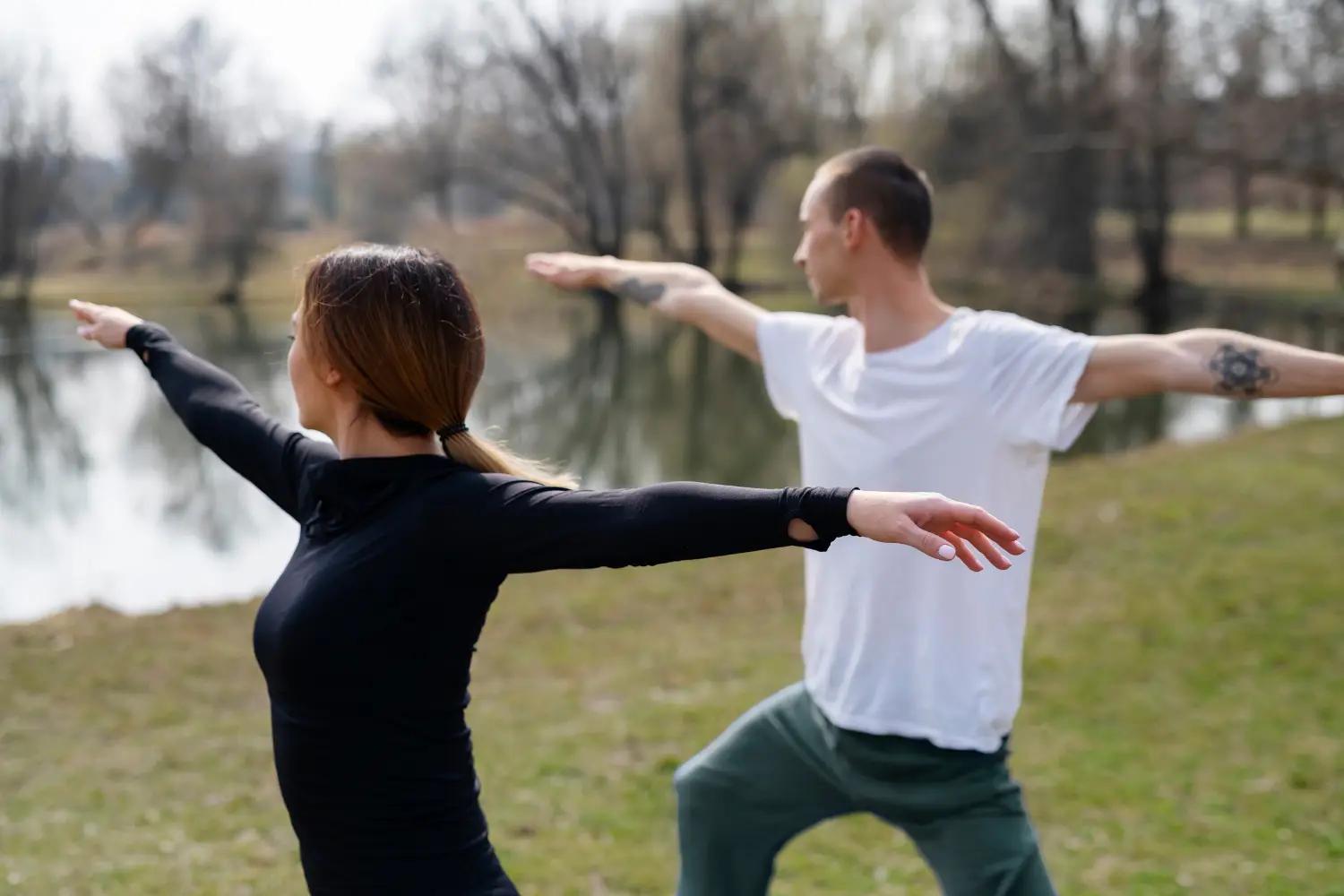
Tai Chi for beginners is often described as “meditation in motion”, but for someone approaching the discipline for the first time, that definition can sound abstract. In reality, it is an internal martial art that combines refined biomechanics, breath control and mental presence.
Starting to practise does not require exceptional athletic ability. What it does require is genuine curiosity about a system of movement that aims to rebalance the whole person. If you are looking for information on Tai Chi for beginners, this guide will help you understand the basics of this ancient discipline.
What Tai Chi Chuan is: beyond the myth
Many people associate Tai Chi only with city parks or gentle exercise for older people. Although it is excellent for maintaining health, Tai Chi Chuan (literally “Supreme Ultimate Boxing”) is a complex system born for self-defence and rooted in the principles of Taoist philosophy.
For anyone approaching Tai Chi as a beginner, understanding this martial root is essential. It is not about waving your arms randomly in the air, but about learning to move the body as an integrated whole. Every gesture has a function, a direction and a structural logic that involves tendons, joints and mental intention.
The benefits of Tai Chi: why start today
Modern scientific research has confirmed what Eastern masters have maintained for centuries. Regular Tai Chi practice brings tangible benefits to everyday life, especially for people living in stressful urban environments.
Here are the main advantages:
- Stress reduction: the slow pace and deep breathing lower cortisol levels.
- Better balance: working on proprioception reduces the risk of falls and stabilises posture.
- Joint flexibility: circular movements lubricate the joints without overloading them.
- Mental clarity: having to concentrate on the sequence of movements acts as a “reset” for a tired mind.
Tai Chi for beginners: the first technical steps
For those who have never practised, the coordination required can seem daunting at first. The secret, however, lies in breaking the movement down. A good Tai Chi course for beginners focuses on three pillars:
- Upright posture: learning to align the spine so that body weight can sink into the ground.
- Rooting: feeling the contact between your feet and the ground, essential for physical and emotional stability.
- Active relaxation (Song): this does not mean going limp, but releasing unnecessary muscular tension to allow fluid movement.
The importance of direct teaching
In the age of online tutorials, it can be tempting to learn the discipline from a video. However, since it is an art based on subtle internal adjustments and body awareness, the guidance of an experienced teacher is irreplaceable, especially for beginners.
Without external correction, you risk reproducing purely aesthetic movements or wrongly loading your knees and back. The direct relationship between student and teacher ensures that the practice is safe, effective and respectful of the tradition.
Practising Tai Chi in Naples with Chu Xin
For anyone looking for a place to study Tai Chi in Naples, the Chu Xin school is an island of authenticity in the heart of the city. Its very name, “Chu Xin” (Beginner’s Mind), recalls the attitude needed to set out on this path: an open mind, free from preconceptions.
At Chu Xin in Naples, Tai Chi for beginners is not reduced to simple choreography. It is taught through a method that respects the classical canons of the internal arts. Classes and seminars are designed to guide practitioners from initial stiffness to a new body awareness, providing concrete tools to improve their quality of life.
Starting Tai Chi as a beginner means choosing longevity and awareness. It is not a path of instant gratification, but a slow and steady investment in yourself. If you feel the need to find your centre and move with greater harmony, the first step is simply to walk through the door of a practice hall.